2026
Ascent Petrochem Upgrades its Global Production and Sales Network and Improves its Supply Chain Layout
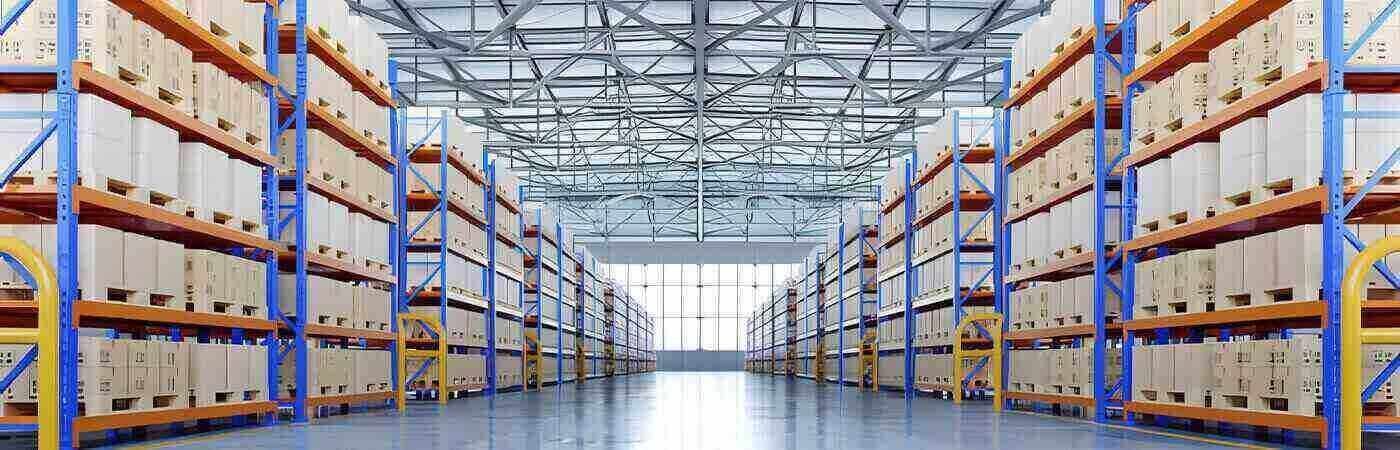
Building up a global production and sales network isn’t just about getting goods from point A to point B. It changes not only what a company can promise its customers, but often the choices manufacturers and local businesses have when planning for tomorrow. Ascent Petrochem has decided to double down on its worldwide footprint, investing heavily into new means of producing and delivering petrochemical materials. This isn’t just another headline about corporate expansion—it’s a move shaped by years of supply chain hiccups, regional market shifts, and a growing need for direct relationships out in the field.Having spent years watching businesses get knocked around by things no one saw coming—weather dragging out shipment times, ports backing up for months, or political chaos suddenly breaking old trade routes—it’s obvious that gaps in logistics end up costing more than numbers on a balance sheet. Many industries learned this lesson the hard way during recent global disruptions. Companies that relied on outdated systems sometimes left customers stuck waiting for essential chemicals that form the backbone of a wild range of everyday products. When a single delay ripples downstream, auto manufacturers hit roadblocks, medical suppliers scramble, and even farmers feel the pinch. This chain reaction reveals just how dangerous it is when a handful of delays in production or shipping can throw entire industries into disarray.Ascent Petrochem’s choice to shift its supply chain setup strikes a chord for anyone who has watched a project stall because a truckload of feedstock got stuck halfway around the world. For years, the industry standard felt almost set in stone: rely on a sprawling, sometimes clunky mix of warehouses, outdated IT systems, and a long line of middlemen. But bumps—big and small—in this hand-me-down setup made it painfully clear: a nimble, modern network means more than shipping things faster. It means being able to plan better, predict the needs of partners, and respond when the unexpected hits.Building new regional production hubs and smart distribution centers isn’t just about showing off scale—it comes from the realization that local problems need local answers. Placing facilities closer to the point of use serves a larger purpose than just cost savings. Companies cut down shipping emissions and help secure jobs in those regions. They can cut old-time delays and waste that add nothing to the customer. From a consumer’s point of view, anyone who has waited weeks for parts, run into service disruptions, or faced surprise shortages can see why real investment in a stronger supply web matters.Petrochemicals come with responsibilities that go beyond the business ledger. People living near refineries and warehouses keep a sharp eye on what comes in and goes out. Trust builds over time—lost in a day with one missed inspection or an environmental mishap. Moving into new zones or updating facilities forces big players like Ascent Petrochem to prove they understand this mix of risk and promise. Years ago, plenty of firms treated local rules as hurdles to step over, but public pressure and tighter regulations push companies to take real, traceable steps for safety. I’ve seen communities rally together when they sense their voices get lost in the shuffle, leading to stricter local guidelines and watchdog groups. Companies ignore these voices at their own risk.Transparency is not just a PR slogan. Making a point to share supply chain information—what gets shipped, how it’s stored, and the steps taken for security—helps prevent rumors and satisfies investors worried about surprises. This sort of opennness has grown common in markets with strong consumer rights. People want to know what materials travel near their homes and what steps companies follow to track and mitigate hazards. In practice, setting up online dashboards for customers and local officials helps keep tempers cool if setbacks threaten deliveries. Connecting the dots between local jobs, safety, and business growth takes more than spreadsheets—it takes boots on the ground and open doors.Tech upgrades by themselves won’t shore up gaps in the big supply lines unless the folks running them know how to spot a red flag and react fast. Training local teams is as crucial as the machines or monitoring gear scattered across a new regional warehouse. Many workers grew up used to set routines: unload, log, report up the chain. Now, as tools shift and digital tracking gets smarter, leadership faces the real job of retraining workforces who may feel left behind or overwhelmed.Committing to fair wages and long-term job paths means more stable operations and helps head off the high turnover that plagues expanding companies. It has become clear from countless surveys in manufacturing and chemical sectors that steady teams stick around longer, catch more small errors before they become huge problems, and help new hires adjust faster to unusual protocols. Investing in training builds not just a safer culture, but one where people feel proud to carry a badge from the company launching into new territory.Watching earlier supply setups struggle through crises, it’s easy to see how far the industry has come. Relying on paper logs and late-night phone calls to juggle shipments made sense decades ago, but fails when markets demand nearly real-time answers. Ascent Petrochem’s push for digital tools that trace goods from source to client lets buyers see far down the chain, shifting how contracts work. Partners can demand a certain level of certainty that only comes from up-to-date records and clear lines of communication. Sensors, software, and active tracking not only cut down on bad shipments, but give companies insights into changing patterns and help avoid old-school stockpiling.Just because information is gathered faster doesn’t mean data can go unchecked. I've watched companies burn through money chasing the newest software or handing contracts to the loudest IT vendor. The trick lies in matching tech upgrades with clear staff training, rules on data use, and a real plan for continuity if storms or outages hit. As much as headline tech draws attention, day-to-day success comes from keeping the process simple enough for frontline workers to flag issues and management to react before timer ticks run out.In markets where environmental impact and fair trade get more scrutiny than ever, global companies don’t get a free pass. Responsible sourcing means tracing raw materials back through a chain that moves across borders, cultures, and currencies. Some suppliers can skip corners, hoping to dodge oversight, but sooner or later projects hit a wall when watchdogs ask tough questions about mining, labor, or emissions. Companies that grow roots in local communities stand a better chance of catching hidden risks in those early, quieter stages. From experience, partnerships built on mutual benefit—where local suppliers get better terms in exchange for clear audits and steady work—last longer and cut headline risks that can harm the brand.As such upgrades keep rolling out, companies like Ascent Petrochem face new sets of expectations. People want to know about jobs, about safety, and whether global moves come at the cost of lost local value. Offering apprenticeships and working with local institutions gives hometowns a reason to welcome new investment. Supporting community projects, investing in updated emergency plans, and keeping an honest line open helps prove intentions beyond quarterly profit spikes. Leaders who spent years responding to line stoppages, community anger, and delayed shipments know that clever words alone cannot shield a company from angry customers, negative media, or anxious investors. Hard solutions start with real investment, fair local partnerships, and a daily drive to learn from the past. No business wants to end up scrambling for answers in a crisis; the real work lies in building a supply chain and production setup that stands up when reality tests every weak link.